Domino Effect: How Leverage Concentration in Crypto Markets Triggers Cascading Wipeouts for US Retail Investors
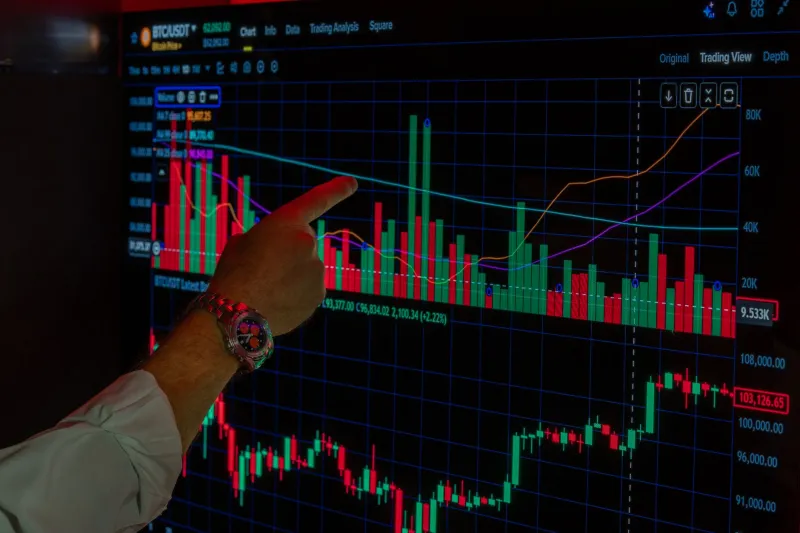
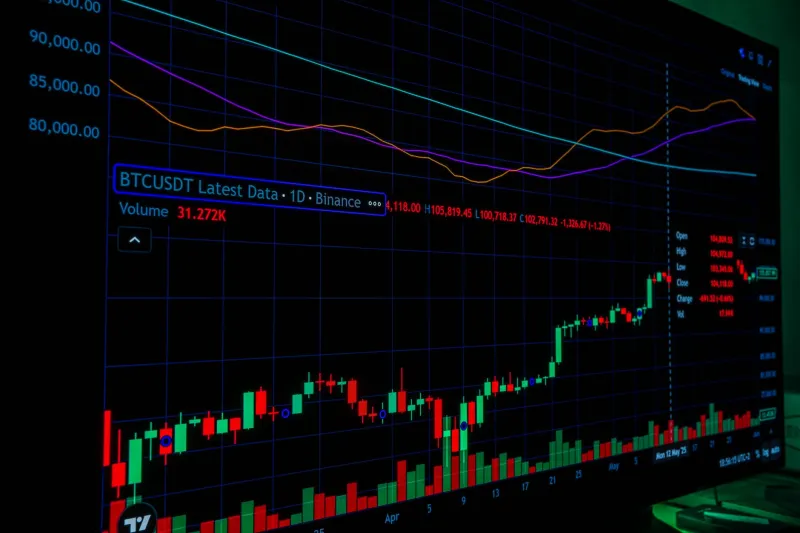
Cryptocurrency markets have produced some of the most dramatic single-day price collapses in the history of modern finance. While media coverage frequently attributes these events to regulatory announcements, macroeconomic shocks, or deteriorating sentiment, the actual mechanism driving the steepest drops is often more structural — and more preventable — than headlines suggest. At the center of many of these crashes sits a phenomenon known as a liquidation cascade: a chain reaction in which forced position closures across leveraged traders amplify selling pressure until the market enters a near-freefall.
For US retail investors navigating platforms that offer margin trading, understanding this mechanism is not merely academic. It is the difference between recognizing a temporary dip and being caught in a self-reinforcing collapse that strips portfolios of value in a matter of hours.
What Leverage Does to Market Structure
When a trader opens a leveraged position — whether 5x, 10x, or higher — they are effectively borrowing capital to control an asset position larger than their account balance would otherwise permit. In rising markets, this amplifies gains substantially. In declining markets, the consequences are equally magnified.
Exchanges that offer margin products protect themselves by establishing liquidation thresholds: price levels at which a trader's collateral is no longer sufficient to cover potential losses. Once a position crosses that threshold, the exchange automatically closes it, selling the underlying asset into the market to recover the borrowed funds. This forced sale is a liquidation event.
In isolation, a single liquidation is unremarkable. The problem emerges when thousands of traders have opened leveraged positions in the same direction — typically long — at similar price levels. When the market declines enough to trigger the first wave of liquidations, those forced sales push prices lower, which in turn triggers the next tier of liquidations, which pushes prices lower still. The cascade has begun.
The Anatomy of a Real-World Collapse
The May 2021 crypto market crash offers one of the clearest documented examples of this dynamic in action. Bitcoin declined from approximately $58,000 to below $30,000 within weeks, with several single-day drops exceeding 15 percent. On-chain data and exchange analytics revealed that open interest — the total value of outstanding leveraged positions — had reached historically elevated levels in the weeks prior to the collapse.
As prices began to slide, liquidation events cascaded across major derivatives exchanges. Estimates from analytics platforms suggested that over $8 billion in leveraged positions were liquidated within a 24-hour window during the peak of the decline. Each successive wave of forced selling removed liquidity from the order book and accelerated the downward move, trapping retail traders who had entered positions expecting a continuation of the preceding bull trend.
A similar pattern emerged during the FTX collapse in November 2022, when the combination of institutional insolvency and mass liquidations across correlated assets produced a synchronized drawdown that affected virtually every major digital asset.
How Margin Calls Propagate Across Exchanges
One of the features that makes liquidation cascades particularly dangerous in crypto markets — compared to traditional equity markets — is the fragmented nature of the exchange ecosystem. Unlike stock markets, which benefit from circuit breakers and centralized clearing mechanisms, crypto derivatives trading is distributed across dozens of independent platforms, each operating its own liquidation engine.
When a cascade begins on one exchange, arbitrageurs and algorithmic traders who monitor price discrepancies across platforms begin transmitting selling pressure to other venues almost instantaneously. Traders with positions on multiple exchanges may find themselves facing simultaneous margin calls as prices move in lockstep. Cross-margined accounts, which allow traders to use a single pool of collateral to support positions across multiple instruments, can compound the damage — a drawdown in one asset erodes the collateral supporting entirely separate positions.
Funding rates, which are periodic payments exchanged between long and short traders in perpetual futures contracts, provide an early signal of dangerous leverage buildup. When funding rates spike sharply positive, it indicates that long traders are paying a significant premium to maintain their positions — a sign that speculative excess has accumulated and that the market is vulnerable to a rapid unwind.
Recognizing the Warning Signs Before the Wave
US investors who actively monitor market conditions can identify several indicators that suggest elevated liquidation risk before a cascade materializes.
Open Interest Relative to Market Cap: When the total value of outstanding derivatives contracts represents an unusually high percentage of the underlying asset's market capitalization, the market is structurally fragile. Sharp increases in open interest during a price rally, without a corresponding increase in spot buying volume, often signal that the advance is being driven by leverage rather than genuine demand.
Funding Rate Extremes: As noted, persistently elevated positive funding rates on perpetual swaps are a reliable indicator of crowded long positioning. Historical data suggests that sustained funding rates above 0.1 percent per eight-hour period often precede sharp corrections.
Exchange Liquidation Heatmaps: Several analytics platforms publish real-time and historical liquidation data, including price levels at which large clusters of leveraged positions would be forced to close. These heatmaps effectively reveal the hidden trip wires embedded in the current market structure.
Declining Spot Volume During Price Advances: When an asset's price rises primarily on derivatives volume rather than spot market activity, the move lacks the organic demand necessary to absorb forced selling should sentiment shift.
Building a Portfolio Defense Against Liquidation Events
For US investors who do not themselves use leverage, it may be tempting to view liquidation cascades as someone else's problem. That perspective is mistaken. Cascades depress spot prices across the board, triggering stop-loss orders, eroding unrealized gains, and creating conditions in which even well-constructed long-term portfolios experience sudden, severe drawdowns.
Several tactical measures can meaningfully reduce exposure to cascade risk.
Maintain Elevated Cash Reserves During High Open-Interest Periods: Holding a higher percentage of the portfolio in stablecoins or cash equivalents during periods of extreme leverage concentration preserves capital and creates the optionality to purchase assets at distressed prices after the cascade resolves.
Avoid Adding Spot Positions During Leverage-Driven Rallies: Entries made during speculative, leverage-fueled price advances carry substantially higher reversal risk than entries made following a significant deleveraging event, when the market's structural fragility has been partially resolved.
Set Defined Exit Parameters in Advance: Predetermined sell levels — whether implemented through limit orders or personal discipline — remove the emotional component from decision-making during fast-moving cascade events, when rational analysis is most difficult and most critical.
Diversify Across Uncorrelated Assets: While crypto assets tend to move together during systemic stress, allocations to assets with lower historical correlation to Bitcoin can buffer portfolio drawdowns during cascade events.
The Structural Reality US Investors Must Accept
Leverage is not inherently pathological. Used with discipline, appropriate position sizing, and rigorous risk management, it can serve legitimate purposes in a sophisticated trading strategy. The danger lies in the aggregate — when leverage concentration reaches levels at which the collective forced unwinding of positions overwhelms the market's capacity to absorb selling pressure without a disorderly decline.
US retail investors who approach crypto markets without understanding this dynamic are effectively operating without visibility into one of the most consequential forces shaping short-term price behavior. The liquidation cascade is not an anomaly. It is a recurring feature of highly leveraged markets, and its next occurrence is a matter of timing rather than probability.
At NugenCoin HQ, the foundational principle is straightforward: informed investors make better decisions. Recognizing the structural conditions that precede a cascade, monitoring the metrics that signal its approach, and positioning portfolios accordingly is not speculation — it is the disciplined application of market knowledge to the protection and growth of digital wealth.